

Selling a House During Bankruptcy in TX (Chapter 7 vs. 13 Guide)
Selling a home during bankruptcy can be a smart financial move that can help you get back on track faster. But we understand that going through bankruptcy while trying to sell your house can be stressful. Although with the right help and advice, many Texas homeowners have successfully sold their homes during bankruptcy, so you can too.
Working with Texas home buying companies like Four 19 Properties can provide the expertise and cash solutions you need to move forward. We’ve been able to help many homeowners in bankruptcy sell their properties quickly and well. We’ll even work directly with bankruptcy courts to handle everything properly. The key is understanding the legal requirements and having the right team on your side.
Can I Sell My House While in Chapter 7 or Chapter 13 Bankruptcy?
This is a hard question to answer because the chapter of bankruptcy you filed matters. Both Chapter 7 and Chapter 13 bankruptcy allow property sales, but each type has different rules you have to follow.
For example, if you filed Chapter 7 bankruptcy, your home becomes apart of the bankruptcy estate unless it’s fully protected by homestead exemptions. If your home is considered non-exempt property then your bankruptcy trustee can sell it to pay creditors. But if there’s little to no equity in your home after considering exemptions, the trustee may abandon the property back to you.
Chapter 13 bankruptcy works differently because you’re in a repayment plan rather than liquidation. You typically keep your home and make payments through your Chapter 13 plan. Selling during Chapter 13 requires court approval, but it’s often easier to accomplish than in Chapter 7.
The Chapter 7 “Backdoor”: Requesting Trustee Abandonment
When you file Chapter 7 bankruptcy, the bankruptcy trustee evaluates all your assets to determine what can be sold to pay creditors. If your home has little or no nonexempt equity, the trustee may decide it’s not worth pursuing. This is where trustee abandonment comes into play.
In Chapter 7 bankruptcy, a person called a bankruptcy trustee is appointed to evaluate all of your assets to figure out what can be sold to pay back creditors. Your home might also be considered, but if there is little to no nonexempt equity, the trustee may decide not to sell. This is referred to as trustee abandonment, and you can request that the property be “abandoned” back to you.
Once abandoned, you can do whatever you want to with the house because you have full control again. You’re also able to sell the house without further court approval. This works best when your home’s value is close to what you owe on your mortgage, or when Texas homestead exemptions protect most of your equity.
The timeline you’re looking at for the trustee abandonment process to take is usually 30 to 60 days after filing. Have your bankruptcy attorney file the necessary paperwork and be the one to communicate with the trustee for you. Once you receive the abandonment order, you have the green light to sell your home.

The Chapter 13 Strategy: Paying Off Your Plan Early
Chapter 13 bankruptcy is a payment plan bankruptcy. Over the course of 3-5 years, you make monthly payments to a bankruptcy trustee to pay your outstanding debts. Fortunately, you can pay off your entire plan early by selling your house and using your proceeds to pay off your debts.
Of course, this scenario works really well if you have significant home equity. But how great would it be to pay off everything instead of making payments for years? You could sell your house, pay off your Chapter 13 plan, find something more affordable property-wise, and move forward with a clean slate. Before you start selling your home, your bankruptcy attorney must file a motion with the bankruptcy court. This motion asks for permission to sell and to change your repayment plan.
There are a few steps involved, but the court will need to review your motion to make sure the sale is best for you and your creditors. However, once you’re approved, you can start the sale process and use the proceeds to pay your bankruptcy obligations.
The Texas Homestead Rule: You Have 6 Months to Reinvest Proceeds
Did you know that Texas has some of the strongest homestead exemption laws in the country? Which can actually work to your advantage during bankruptcy. Your main home is protected under the Texas homestead exemption, and that applies no matter your home’s value. There are some land size limits to be aware of, but for most people, this doesn’t apply.
Something special about Texas homestead rules: when you sell your homestead during bankruptcy, the proceeds are exempt for six months if you plan to purchase another home. This also means that creditors can’t touch your money during this six-month reinvestment period, giving you the chance to purchase a new home.
This protection only works if you genuinely intend to purchase another homestead within six months. You’ll need to keep the proceeds in a separate account and use them only for the new home purchase. Something else to be aware of – if you don’t buy another home within that six-month timeframe, the money could become available to creditors.
Texas protects homeowners in both Chapter 7 and Chapter 13 cases. This makes Texas one of the most debtor-friendly states for people filing bankruptcy. Even more reason to work with experienced house buyers in Dallas because they understand these laws and your timeline to sell quickly.
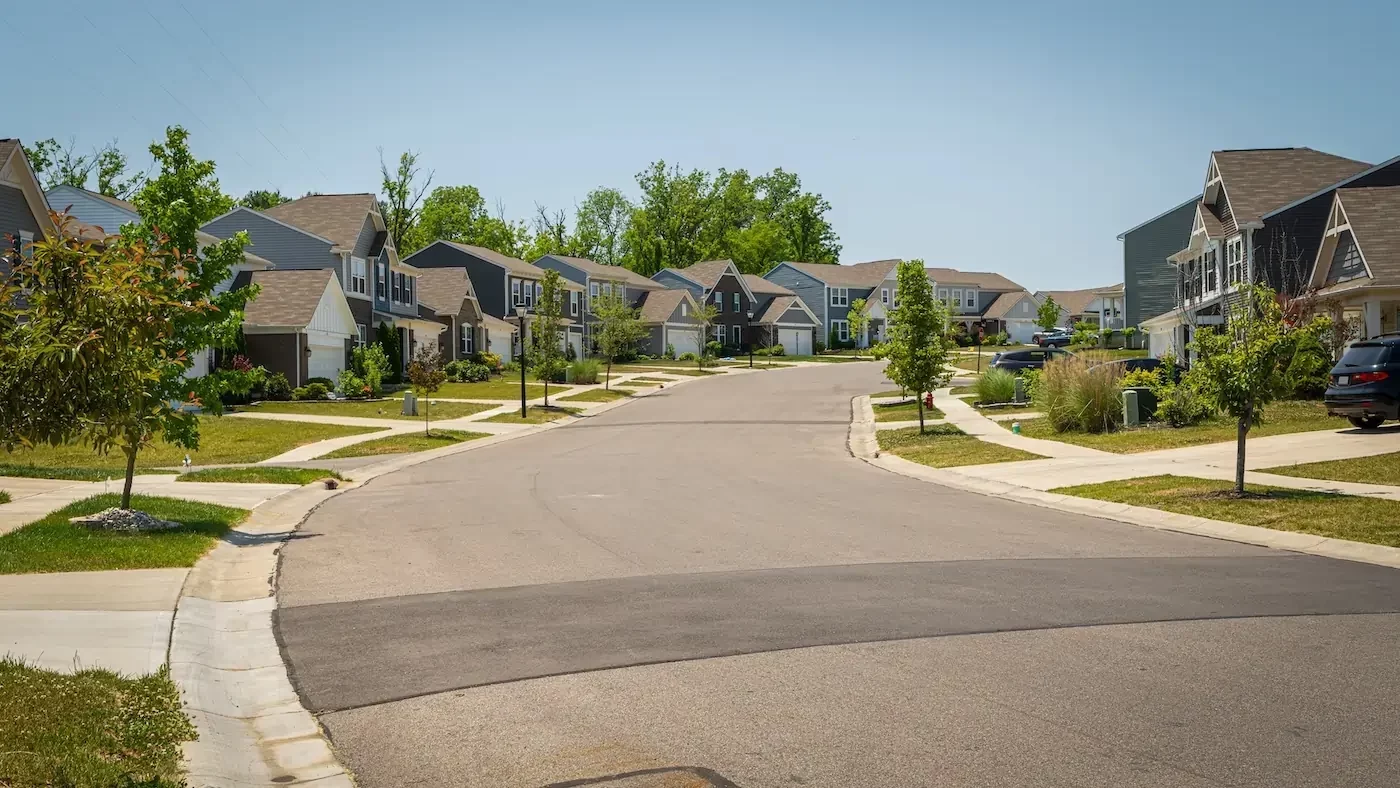

Fill Out The Form Below And Sell Your House During Bankruptcy In One Simple Step
5 Steps to Sell a House in Bankruptcy (Texas Court Process)
If you’re considering selling a house during bankruptcy, certain legal procedures will need to be followed to make it happen. Below are the steps involved and how the process works when you need court approval for your home sale:
1. We Submit an Offer “Subject to Court Approval”
To set everything in motion, start by getting a legitimate offer on your home. When working with cash buyers like Four 19 Properties, we can make an offer that includes the phrase “subject to court approval.” By adding that, we would be protecting both parties since the sale can’t be completed without the bankruptcy court’s permission first.
In our offer, we’ll note the purchase price, timeline, and any special conditions related to the bankruptcy proceedings. Our team works closely with your attorney to make sure the offer meets court requirements and increases your chances of approval. As cash buyers, we can close quickly once we get court approval.
Unlike traditional buyers, who might need financing contingencies, we buy houses at Four 19 Properties with cash. This helps remove delays or problems that could stop court approval.
2. Your Attorney Files a “Motion to Sell Real Property”
Once you accept our offer, your bankruptcy attorney will then file a formal motion with the bankruptcy court that requests permission for you to sell your home. The motion will also contain detailed information about the property, the proposed sale terms, and how the proceeds will be used.
The motion will also explain why the sale is needed and how it helps your bankruptcy case. The most common reasons noted are to pay off secured debts, to fund your Chapter 13 repayment plan, or to prevent foreclosure. Lastly, your attorney will need to show evidence that the sale price is close to fair market value.
Because this is an official motion, the court requires certain legal jargon to be used and correct documentation to be filed. To do this correctly, using an experienced bankruptcy attorney is highly advised. Their job will be to make sure all the requirements are met so that the motion has the best chance of getting approved.
3. The 21-Day “Negative Notice” Period for Creditors
Now that your attorney has filed the motion, the court will begin a 21-day notice period. During this time period, creditors and interested parties are notified about the proposed sale and have the chance to object to it happening.
If no one objects within 21 days, the court can approve the sale without a hearing. However, if creditors file objections within that timeframe, the court will schedule a hearing to address their concerns.
More often than not, creditors don’t object to reasonable home sales because they understand it’s often the best way to financially recover. But secured creditors like mortgage lenders may have specific requirements about how their liens are handled in the sale.
4. Obtaining the “Order Granting Motion to Sell”
After the 21 days, if no one objects, the bankruptcy judge will typically sign an order granting permission to sell your home. With this legal authority, you can proceed with the sale and transfer title to the buyer. The court order will include rules for the sale. It will say how the money must be shared and if some debts must be paid from the sale. It will be your attorney’s job to review the order carefully to ensure compliance with all court requirements.
Once you have the signed order, you can move forward with scheduling the closing. The title company will need a copy of this order to proceed with the sale and ensure a clear title transfer.
5. Closing: The Title Company Pays the Trustee First
The final step in the process involves closing the sale according to the court’s order. The title company will handle paying everyone correctly and in the correct order. Usually, the bankruptcy trustee is paid first, then whatever money is left over goes to you.
If you’re in Chapter 7, the trustee receives the proceeds to pay creditors according to bankruptcy priorities. In Chapter 13, the proceeds may go toward completing your repayment plan or be distributed according to your specific court order.
The closing process with a cash buyer like Four 19 Properties is typically faster and easier than traditional sales. We handle all the paperwork and coordinate with your attorney and the title company to make sure everything runs smoothly and goes according to plan.

Selling Before Filing: Avoiding “Fraudulent Transfer” Allegations
Timing is really the biggest factor when you’re considering both bankruptcy and selling your home. If you sell your house right before filing bankruptcy, creditors might say the sale was fake. This is especially true if you sold below market value or gave money to relatives.
The key is transparency and proper documentation. If you must sell before filing, work with reputable buyers who pay fair market value and document everything thoroughly. Keep detailed records of why you needed to sell and how you used the proceeds.
Generally, selling your home to pay legitimate debts or living expenses before bankruptcy is acceptable. However, selling to hide assets from creditors or transferring property to family members for less than market value can create serious legal problems.
Your bankruptcy attorney can advise you on the best timing for your situation. Sometimes it is better to sell before filing bankruptcy. Other times, selling during bankruptcy gives better protection and results.
Realtor vs. Cash Buyer: Who Handles the Court Better?
When selling during bankruptcy, choosing the right buyer can make or break your case. Traditional real estate deals through realtors often have delays and problems. These do not fit well with bankruptcy timelines and court rules.
Realtors typically work with buyers who need financing, inspections, and appraisals. These contingencies can cause deals to fall through, forcing you to start the court approval process over again. Many traditional buyers get nervous about bankruptcy sales. They leave when they learn court approval is needed.
Cash buyers who specialize in bankruptcy situations understand the legal requirements and work within the court’s timeline. We’ve handled hundreds of bankruptcy sales and know exactly what documentation the court needs and how to structure offers for maximum approval chances.
If you’re trying to avoid foreclosure or fund your bankruptcy plan, working with cash buyers is the way to go. A traditional home sale can’t guarantee how quickly you’ll sell. But by selling to us, we’re able to close in as little as two weeks after receiving court approval, compared to 30-45 days for traditional financing.

Frequently Asked Questions About Bankruptcy Sales
What happens to my equity in a Chapter 7 sale?
In Chapter 7 bankruptcy, any equity not protected by exemptions goes to the bankruptcy estate to pay creditors. Fortunately, Texas homestead exemptions protect large amounts of home equity. However, if you have equity above the exemption limits, the trustee will sell your home and distribute the proceeds, and you’ll receive any remaining proceeds after all debts and costs are paid.
Can I sell if I am behind on Chapter 13 plan payments?
Yes, you can sell if you’re behind, but you’ll need to acknowledge that you’re behind on payments in your motion to sell. The court may want you to be current on your plan before agreeing to the sale, or you may be able to use the sale proceeds to fulfill the lapse in payments. Your attorney can help you through this process.
Can I sell my house during bankruptcy without court approval?
You may be surprised to learn that selling real estate during bankruptcy without court approval is illegal. It can cause serious issues, including losing your bankruptcy case or facing criminal charges. All property sales during bankruptcy require either court approval or trustee abandonment. The only exception is if you’re selling personal property worth less than $2,725 in Chapter 7 cases.
Conclusion
Hopefully, you’ve been able to see that selling your house during bankruptcy in Texas doesn’t have to be complicated when you have the right team and understand the process. The key is working with experienced professionals who know bankruptcy law and can guide you through each step of the court approval process.
Whether you’re in Chapter 7 or Chapter 13, selling your home can provide the fresh start you need to rebuild your financial future. Texas homestead laws offer strong protections, and the six-month reinvestment period gives you time to find your next home without losing your proceeds to creditors.
At Four 19 Properties, we specialize in helping homeowners navigate bankruptcy sales with confidence and ease. If you can’t afford closing costs or need to understand how to estimate your home value during bankruptcy, we’re here to help. We buy houses in Fort Worth, Dallas, and throughout Texas, providing fast cash solutions when you need them most.
Ready to explore your options? Learn more about our company and what sets us apart from other home buyers. Remember, Dallas county property taxes continue even during bankruptcy, so acting quickly can save you money. Let us show you how we buy houses at Four 19 Properties – contact us to get a cash offer today and take the first step toward your financial fresh start.
DISCLAIMER: This article is meant for educational purposes only and is not intended to be construed as financial, tax, or legal advice. Four19 Properties always encourages you to reach out to an advisor regarding your own situation.
Get Your Free, No-Obligation Cash Offer!
Don’t wait anymore. Fill out the form below and join the growing number of homeowners who have sold their house while in bankruptcy with us in the most simple and stress-free way.
At Four 19 Properties, we buy houses in Texas for cash and in any condition! Whether it is bankruptcy or any other difficult situation you’re facing, we can help you! If you’re looking to “to sell my house fast,” we are ready to buy your house today! Give us a call today to learn more about what we can offer you! (817) 754-1957