
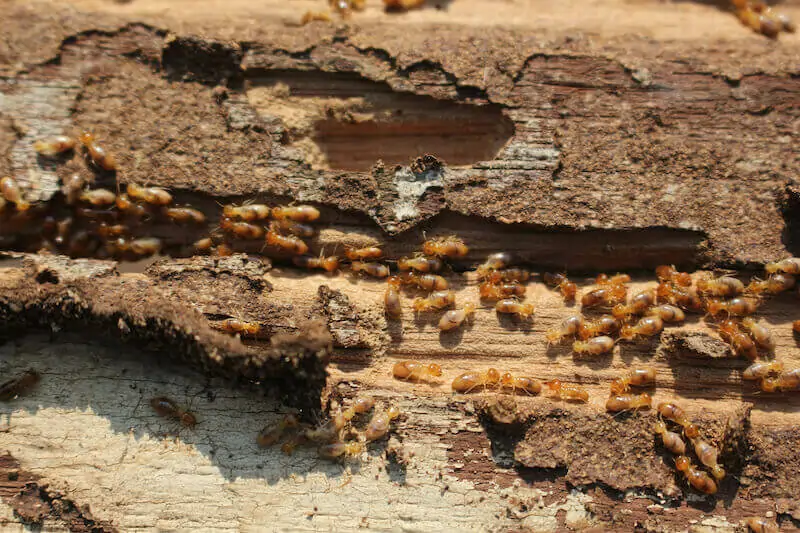
Finding mud tubes, damaged or weakened wood could mean you have some unwelcome guests in your home – termites. Discovering termite damage is especially a concern if you’re planning to sell your house. Yes, the selling process can be a bit more challenging, but rest assured, many homeowners have been in this same situation and have been able to sell. The best thing you can do is to figure out your options and learn about your legal obligations; that way, you’ll know how to handle an active termite infestation or a history of one.
Living in Texas, the weather here is warm, humid, and wet at times, which makes subterranean termites thrive, and that also means termite issues are pretty common around here. So the best thing you can do when selling a house with termite history is to just be open and honest, share proper documentation of treatments you’ve had done, and most importantly, pick the right selling strategy.
In these situations, selling a termite-affected property with traditional real estate agents may end up being a bit of a struggle. Fortunately, specialized buyers can offer more benefits and solutions for you if you need to sell your house fast in Texas.
Do Sellers Have to Disclose Termite Damage in Texas? (Understanding State Law)
Texas law requires sellers to disclose a termite history, so to answer that question, yes. On the Seller’s Disclosure Notice, you are required to disclose any known termite infestation, previous termite damage, or prior termite treatment that you are aware of per Texas Property Code Section 5.008.
The Texas Real Estate Commission (TREC) Seller’s Disclosure form asks about active termites, termite damage needing repair, previous termite damage, and previous termite treatment. These disclosure laws are still strictly enforced, and failure to disclose any known termite issues can result in legal action. Most importantly, even after closing, and the house is sold, you can still face legal consequences.
The biggest thing is that you only need to disclose what you actually know or are aware of. For example, if there is visible evidence of wood-eating insects, mud tubes, or damaged wood, the court may assume you knew about the problem.
If you’re worried about disclosing information about your home, you should consider working with experienced Texas cash home buyers who understand these disclosure requirements. They can really simplify the process for you and put your mind at ease.
First Steps: What is a Wood Destroying Insect Report (WDI) and Who Pays for It?
The first place to start if you’re questioning if you have a termite issue is by getting a Wood Destroying Insect Report (WDI). A WDI is an official inspection document that’s required by the Texas Department of Agriculture, which reports the presence of insects like termites. This thorough pest inspection will check for subterranean termites (most common in Texas), drywood termites, and dampwood termites. Usually, a licensed pest control company can do this type of inspection and check your entire property.
Typically, it’s the buyer who orders and pays for the WDI inspection during the inspection period. But if you have a recent report, sharing that upfront would be helpful. For reference, a professional termite inspection costs between $75-$150 in Texas as of December 2025. The buyer’s termite inspection is often really thorough, more so than routine annual termite inspections, because it’s specifically looking for evidence that could impact the sale. Most VA loans require WDI reports. FHA and conventional loans may request them, but that just depends on the lender and property age.
What Does Termite Damage Actually Look Like?
Figuring out what termite damage looks like will help you understand what exactly inspectors are looking for and what buyers would be worried about. Here are some common signs to look for:
- Mud tubes along foundation walls, crawl spaces, or wooden structures
- Hollow-sounding wood when tapped
- Termite droppings (frass) that look like sawdust or coffee grounds
- Blistered or damaged wood surfaces
- Discarded termite wings near windows or doors
The Difference Between Termite History and Active Termite Infestation
There is a big difference between past termite problems and active infestations – both will also impact how you will sell your house. To clarify, termite history means there was previous termite activity that’s been treated. Active infestation means that live termites or an active termite colony are currently present, and it’s likely causing ongoing issues.
As you would probably imagine, a house with a termite history but no active termite activity is much easier to sell than one with ongoing termite issues. This is where having previous inspection reports, repair receipts, and transferable termite warranty documentation would help show that past problems were treated. To verify if you have active termites, you would need a professional inspection by a licensed pest control company.
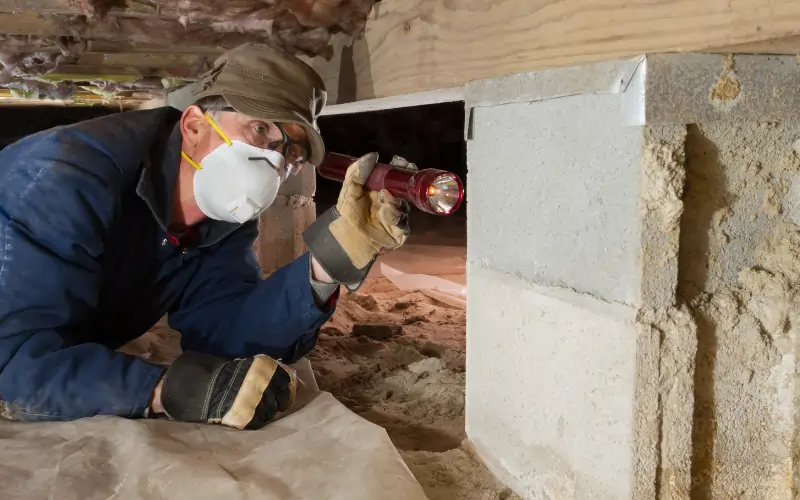
Step-by-Step: How to Sell a House with Termite History in Texas
Step 1: Get a WDI Inspection
You’ll want to start by getting a professional termite inspection from a licensed pest control company. Even if you’ve had a previous inspection, if it’s older than a year, definitely get a new one. The reason is that having a WDI report that’s less than a year old is because it looks good for potential buyers and lenders. This will also put your mind at ease because the inspector will check areas that are accessible, test wooden structures, and check for conditions that cause termite infestations.
Step 2: Obtain Structural Repair Estimates
Once the inspection is done, if any structural damage is found, you’ll want to get a couple of estimates from licensed contractors. Make sure to hire licensed professionals to repair any termite damage. If the repairs aren’t done correctly, it could lead to more issues down the road. Don’t forget to document all the damage with photos and detailed repair descriptions. By keeping notes of everything, you’ll be able to get a better idea of the repair costs and be able to clearly explain what work is needed with interested buyers.
Step 3: Complete the Seller’s Disclosure Notice
Make sure to truthfully fill out your Seller’s Disclosure Notice and mark ‘yes’ for any known termite issues. Have dates ready to note previous termite treatment, repair work, and any ongoing protection plans. It wouldn’t hurt to attach copies of previous inspection reports, treatment documentation, and repair receipts that would support your disclosures. It wouldn’t hurt to create a pest management folder with all of your documentation that would help reassure buyers. Being proactive and transparent just builds buyer confidence and protects you legally.
Step 4: Choose Your Path (Fix vs. As-Is)
At this point, you’ll need to decide if it would be worth it to make repairs before listing your house or selling your home as-is. If you were to make repairs and get warranties, you’d probably attract more buyers and maybe get a higher sale price. The downside to that plan is that you’d have to make an upfront investment and wait for the work to be done. Another expense you’ll need to consider if you were to go with the repair scenario is using termite-resistant materials to prevent future infestations.
If you were to sell as-is instead, you’d be able to skip making repairs, the upfront cost, and the time it would take. Cash buyers and investors tend to buy houses in as-is condition. They handle all the repairs and close faster, too. Their offer may be a bit lower, but again, you wouldn’t have to deal with all the repairs, holding costs, realtor commissions, and any selling delays.
Step 5: Target the Right Buyer
Finally, you’ll need to figure out how to target the right buyer. A traditional buyer is usually looking for a move-in-ready home with no repairs needed and warranties. On the flip side, investors and cash buyers are looking for a house in as-is condition so they can make their own repairs after closing. Learning about how to attract the right prospective buyers will help you prepare your home. If selling to a cash buyer sounds like a better option for you, we’d be happy to take a look at your home. We buy houses in Fort Worth and the surrounding areas, and actually specialize in buying homes with termite issues without asking you to make any extensive repairs.
Can You Sell a House with Active Termites “As-Is” in Texas?
Legally, you can sell a house with active termites as-is in Texas as long as you properly disclose the termite history. The downside, though, is that your pool of potential buyers is smaller, especially with severe infestations that require extensive treatment. This is because most traditional mortgage lenders require termite treatment before funding loans. So, cash buyers would be your primary market.
Companies that specialize in purchasing distressed properties often buy homes with active infestations. These cash home buyers in Dallas and throughout Texas understand termite issues and factor treatment costs into their offers. While you’ll typically receive a lower purchase price, you’ll avoid repair costs, treatment expenses, and extended time on the market.
Costly Repairs: How Much Does Termite Treatment and Damage Repair Cost?
If you’re curious about what repairs and termite treatment would actually cost you, here is a ballpark of what you’d be looking at financially.
As of December 2025, termite treatment costs in Texas typically range from $290 to $1,150, with most homeowners paying around $500 for liquid treatments around a 2,500 square foot home.
More extensive treatments vary significantly:
- Spot treatments for localized infestations: $400-$750
- Full perimeter liquid treatments: $950-$1,750
- Termite tenting with fumigation: $2,000-$8,000
- Bait systems: $1,000-$2,500 plus ongoing monitoring
If the home requires structural repairs, you can expect higher costs. On average, structural repair costs range from $3,000-$15,000 or more for extensive structural damage. That’s because termite damage repairs involve replacing damaged wood, reinforcing weakened structures, and addressing moisture problems.
Since repair costs can get pretty pricey, most homeowners choose to work with investors who handle necessary repairs themselves so they don’t have to come out of pocket and deal with managing repairs.
Frequently Asked Questions About Termite Damage and Home Value
Does Termite Damage Affect Appraisal?
Yes, having visible termite damage typically reduces appraised value. Before finalizing your home valuation, the appraiser will note structural damage and required repairs. A comparative market analysis of similar properties with termite history can help you figure out a fair price for your situation. However, if you’ve properly documented repairs with warranties, you may be able to maintain your home value. Some appraisers also consider the cost of necessary repairs when determining market value.
Will Homeowners Insurance Pay for Termite Damage?
Usually, standard homeowners’ insurance policies don’t include termite damage coverage. This is because insurance companies consider termite infestations preventable through proper maintenance and regular inspections. Homeowners are responsible for all termite treatment and damage repair costs, which is why prevention and early detection are so important.
Is It Hard to Sell a House with Termite Damage on the Traditional Market?
It’s not impossible, but selling on the traditional market can be challenging. What makes it hard is a limited buyer pool, more days on market, and possibly a lower sale price. Having termite damage just raises some red flags for buyers. But homes with completed repairs, warranties, and thorough documentation can still attract buyers, especially if priced correctly. It shouldn’t come as a surprise, though, that properties that need only minor repairs often sell more successfully than those with major structural issues.
What Should I Do If I See Active Termites in My Texas House?
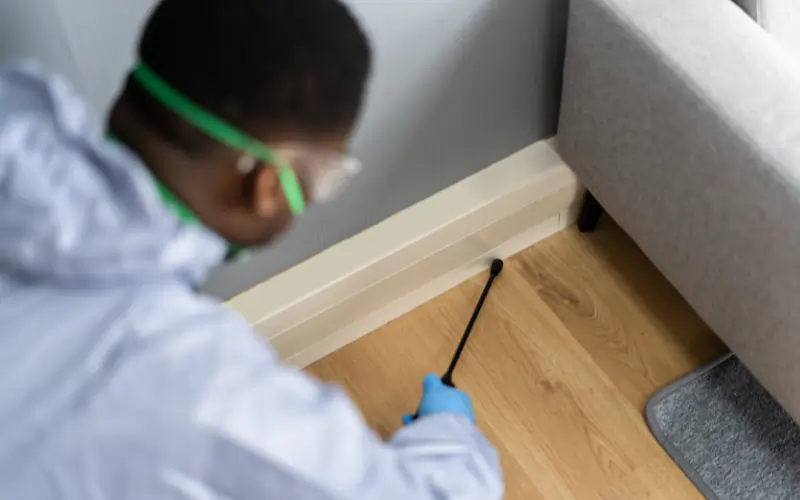
If you have active termites, contact a licensed pest control company immediately for a professional inspection and treatment recommendations. A qualified pest inspector can look over the extent of the problem and figure out the best pest management strategy. Then you’ll need to document the infestation with photos and make sure to keep all treatment records. If you’re planning to sell soon, consider whether immediate treatment or selling as-is makes more financial sense.
Some situations may trigger other concerns. For instance, if the HOA forces you to sell due to property condition violations related to termite damage, acting quickly becomes even more critical. Similarly, understanding how to estimate your home value in TX with termite damage helps you set realistic expectations.
Conclusion
At the end of the day, selling a house with termite history in Texas will require careful planning, honest disclosure, and realistic expectations. And even though termite damage does complicate the selling process, homeowners do have several options to choose from depending on their timeline, budget, and goals.
If you choose to complete repairs or sell as-is, no matter what, just be transparent and provide proper documentation. It also wouldn’t hurt to research local market trends to understand how termite history affects property values in your area. Consider getting advice on how to get rid of squatters in Texas if property abandonment issues are added to your termite problems.
For homeowners trying to find a faster, simpler solution, selling to cash buyers who specialize in distressed properties is often the best case scenario. These companies understand termite issues, handle necessary repairs, and can close quickly without financing contingencies. To learn more about our home buying process at Four 19 Properties, including how we handle properties with termite history, contact our team today.
Remember, termite damage doesn’t have to prevent a successful home sale. With the right approach and realistic expectations, you can navigate these challenges and move forward with your selling goals. If you’d like to learn more about our team and our experience with termite-affected properties, or if you’re ready to get a cash offer today, we’re here to help you explore your options without pressure or obligation.