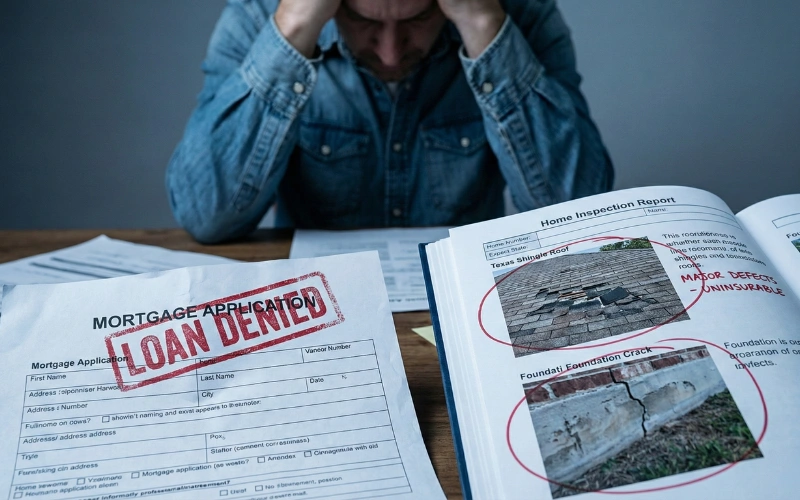
What Happens If You Don’t Pay Property Taxes For A House Sale in TX?
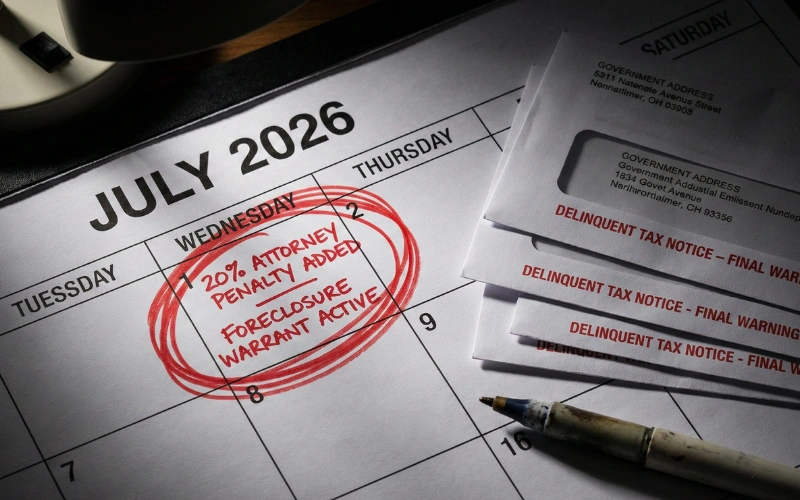
In Texas, property taxes become delinquent on February 1st, triggering immediate penalties and interest (starting at 7%). If taxes remain unpaid by July 1st, an additional 20% collection penalty is added, and the county attorney can file a lawsuit to foreclose. While homeowners have a Right of Redemption (2 years for homesteads, 6 months for non-homesteads) after an auction, the cost to reclaim the property includes the sale price plus a 25% to 50% penalty.
Falling behind on Texas property taxes triggers a specific timeline of penalties that homeowners must understand. We’ve helped many Texas property owners who were falling behind on payments because of a job loss, medical bills, or other unforeseen expenses. Fortunately, as Texas home buyers, we understand these challenges and have an easy home buying service we can offer you.
Instead of stressing about paying taxes or missing property tax payments, which can trigger serious consequences, you can sell to the right buyer and stop the process before you lose your home to auction.
Below is some helpful information to know about property taxes in Texas and how to free yourself from all the bills.
The “Delinquency Date”: Why February 1st Matters
February 1st is an important date because your property taxes become delinquent if you don’t pay them by January 31st. This date is also important because penalties start immediately, and as a taxpayer, you need to understand the consequences.
Here is what you’ll face once February 1st passes on a standard $250K home in DFW:
What You Owe
- Home Value: $250,000
- Annual Tax (2.23% rate): $5,575
- Missed Deadline: January 31
Penalty Breakdown
- Month 1 (February): 6% penalty = $334.50
- Month 2 (March): 7% penalty = $390.25
- Month 3+ (April onwards): 8% penalty = $446/month + 1% monthly interest
Cost Examples
| Timeline | Total Owed | Extra Cost |
| 1 Month | $5,910 | + $335 |
| 6 Months | $8,161 | + $2,586 |
| 12 Months | $10,200 | + $4,625 |
Other Consequences
- Tax lien on property (public record)
- Credit damage
- Risk of foreclosure
- Legal fees
Bottom line: Delaying 6 months costs you an extra $2,586 (46% more than the original tax).
Why You Don’t Want a Tax Lien
A tax lien gives the county legal claim on your house and takes priority over other debts, even your mortgage. Every month you wait increases the balance and complicates your situation. During this time appraisal districts send out additional forms and additional information about your payment options, but the best way to move forward may be selling your house instead. This would free you from expensive property taxes every year and the financial stress figuring out how to pay them.
The “July 1st Cliff”: Attorney Fees and a 20% Jump
You definitely don’t want to get caught with this additional penalty. Texas property taxes are already high, but July 1st is when the pain truly begins. On this date, the county turns the debt over to a collection law firm (like Linebarger or Perdue Brandon). They immediately tack on an additional 15-20% collection fee on top of the penalties.
When you combine the accrued monthly interest with this sudden 20% penalty and the new attorney fees, the total bill becomes unmanageable for most homeowners.
The Math is Brutal:
Imagine a $5,000 tax bill → July 1st hits → $6,000 (Penalty) + $1,200 (Attorney Fee) = $7,200 Total.
We’ve seen homeowners’ bills literally double by July because of these “Attorney Fees,” which often feel like a scam to homeowners but are fully legal in Texas.
Another key detail about July 1st is that counties start serious legal action by way of a “tax warrant” that gives them authority to foreclose on your property.
Can the County Foreclose? Understanding the “Tax Warrant” Process
Yes, Texas counties can and do foreclose on homes for unpaid property taxes. After July 1st, the tax office can file a tax warrant with the court asking permission to take your property to pay the debts.
The process can take several months, but it’s still not a position you want to be in. Here is what that process looks like:
- County files tax warrant with court
- Court reviews and approves warrant
- Multiple notices sent to homeowner
- Tax sale advertised in newspapers
- Property sold at public auction
Counties generally prefer payment over foreclosure. The county would rather get their money instead of owning your home, so they’ll often work with homeowners to try to resolve the debt through sale. But would you rather stress about this happening every year or have the control of selling your house fast and moving to a property that has more affordable taxes?
If that’s the route you’d rather take, we’d be happy to make you an offer on your home, in as-is condition, and close within 7-14 days, which will stop these additional penalties from adding up.
The “Right of Redemption”: Can You Get Your House Back After Auction?
Many people mistakenly believe they have plenty of time to get their house back after an auction. This is dangerous misinformation.
If the property was your Primary Residence (Homestead), Texas law gives you 2 years to buy it back.
However, if this was a Rental Property or Vacant Land, you only have 180 days to redeem it. Once that window closes, the house is gone forever.
Even if you qualify for redemption, it is rarely financially realistic. To redeem your house, you must pay the auction buyer’s full purchase price, taxes, fees, penalties, and interest. Plus, you must pay an additional 25% penalty of the total if you redeem in the first year and a 50% penalty if you redeem in the second year.
The harsh reality is that most property owners who lost their homes to taxes don’t have that kind of cash lying around. Instead of counting on a miracle redemption, you should focus on preventing the tax sale and work with our team at Four 19 Properties to sell your home fast.
Tax Deferrals for Seniors: Using “Section 33.06” to Pause Payments
If you’re a senior citizen, Texas does have tax relief through Section 33.06 of the Texas Property Tax Code. This program lets residents 65 and older defer property tax payments indefinitely while living in their home without the risk of foreclosure.
The catch? Your deferred taxes accrue 5% annual interest, and they are due when you sell, transfer ownership, or pass away. You may be able to reduce your overall assessment with the disabled veteran exemptions and the homestead exemptions, but you shouldn’t count on that entirely.
You must be 65+ to qualify, and the property must be your primary residence. To apply with your county tax office, you’ll need proof of age and permanent residence. Individual circumstances may vary by local laws and local governments.
Cash home buyers in Dallas can help you sell before deferred taxes become unmanageable.
Warning: The Trap of “Property Tax Loans” in Texas
Some companies offering “property tax loans” exist, but are not recommended. They sound helpful but often end up trapping homeowners in worse debt. The fees for these loans are astronomical, with some charging 18-30% annual interest plus origination fees and processing charges on top of that.
Even worse, the loans are secured by your property, so the lender can foreclose if you default. Unfortunately, we’ve witnessed homeowners escape county foreclosure only to turn around and face private foreclosure from tax loan companies within months.
Don’t put yourself more into debt; sell to investors like us who handle your tax debt as part of the purchase—eliminating the debt completely.
Does a Mortgage Company Pay Your Delinquent Taxes?
If you have an escrow account, your mortgage company should pay your property taxes automatically. However, problems occur when:
- Property taxes increase and escrow doesn’t have enough funds
- You’ve stopped making mortgage payments
- Mortgage company makes clerical errors with your account number or property account details
If your mortgage company should have paid but didn’t, contact their customer service department immediately. They may owe penalties and interest. Don’t wait for them to fix it – verify your tax status directly with the county. Some companies may allow online payments or credit card payments for catch-up amounts.
Can You Sell a House with Back Taxes in Texas?
Absolutely. Selling is often the smartest move when facing tax problems. The unpaid taxes get paid from sale proceeds at closing, and the title company handles coordination with the tax office. This real estate transaction process ensures all checks are cleared properly.
Traditional buyers often run from tax issues, and bank financing gets complicated with liens involved. We buy houses in Garland and throughout Dallas, specializing in exactly these situations.
Cash buyers can close in 7-10 days, crucial when racing against tax sale deadlines. We handle all paperwork and tax office coordination. Many customers prefer this approach over dealing with installment plans or partial payment agreements with the county.
How Four 19 Properties Stops the Tax Auction Clock
At Four 19 Properties, we specialize in property tax emergencies. When you work with us, we immediately begin stopping any pending tax sale while preparing for closing.
Our process:
- No-obligation consultation reviewing your situation
- Contact tax office to verify exact amount owed
- Negotiate payment arrangements if needed (installments may be available during this period)
- Handle capital gains taxes in TX and title issues
- Close in 7-10 days with cash
We explain who pays house sales taxes and all closing costs upfront. No surprise fees or hidden charges. Our filing system ensures all forms reach the proper department efficiently, whether it’s the revenue office or district office handling your case.
Since we’re cash buyers, there’s no bank financing to delay your closing. We can move fast enough to prevent tax auctions even when time is short.
Conclusion
Property tax problems don’t have to end with losing your home at auction. Understanding the timeline from February 1st delinquency through July 1st penalties helps you make smart decisions about your assessed value and property value situation.
Whether you need to sell rental property without paying taxes, sell a house in probate, or handle any property challenge, experienced cash buyers provide solutions that protect your interests. We understand the income requirements and assessment appeals process that many businesses and individuals face.
Don’t wait for the tax sale notice. Get a cash offer today and put these problems behind you. Your peace of mind is worth more than hoping things work out on their own.
Popular Posts