
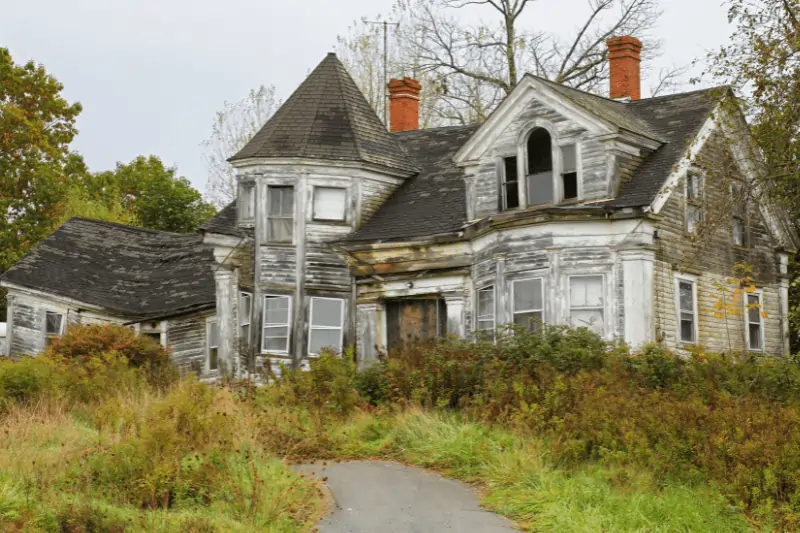
No house is perfect, but if you’re trying to sell a damaged or distressed property, it can feel pretty overwhelming. Add maybe some financial stress or time constraints, and that spells a recipe for being overwhelmed. If you’re a homeowner in Texas and struggling with a property that needs some significant repairs, you’re not alone in this. Fortunately, we buy houses in Texas in any condition, and there are ways to go about changing your current situation into a successful home sale.
What is a “Distressed” Property?
There are a couple of definitions for a distressed home. Generally, it means a property that’s in poor physical condition or owned by someone who is experiencing financial hardship. Property distress can look like: structural issues like foundation problems, damage from storms or flooding, or situations where homeowners face foreclosure, job loss, or mounting debt.
The problem with distressed properties is that they need a big investment to bring them up to market standards. The homes might have big issues going on, like electrical malfunctions, plumbing defects, a leaky roof, or more serious problems like a slab leak that leads to major water damage. Sometimes the distress isn’t actually physical, but it’s situational instead – property owners might be behind on property taxes, facing liens, or dealing with an inherited property that they can’t afford to take care of.
We see thousands of distressed assets every year on the Texas real estate market. Location doesn’t matter either; we saw them in Dallas to Fort Worth, and smaller communities in the Lone Star state. We just wanted to explain what exactly qualifies as distressed to help you make informed decisions about what you should do next.
The “Unlendable” Trap: Why Banks Reject Distressed Homes
The biggest setback with distressed homes is that they often can’t qualify for traditional mortgages. The reason is that lenders require properties to meet specific safety and livability standards before approving a loan. So when a home has structural issues, outdated electric systems, or major foundation problems, usually the bank sees this as a high-risk investment.
What happens is it creates an “unrelenting trap”. Your property may have good bones and be in a great location, but if it can’t pass a home inspection, then potential buyers won’t be able to get financing. As you would imagine, this really affects how many people would be able to buy your house – unless they are paying all cash.
Also, this type of sale makes it incredibly hard for real estate agents because traditional marketing methods don’t work when the property can’t attract conventional buyers. So, case in point, why specialized cash buyers who understand distressed assets are the best to work with.
Repair vs. Sell As-Is: Is the ROI Worth It?
Trying to figure out what to fix up before selling a house vs what not to fix when selling a house is a big financial decision. Probably the best place to start would be to focus on safety issues first. Like a mild foundation crack may cost you thousands, but it would prevent buyers from walking away. Most buyers don’t want to mess with major plumbing or electrical problems, so it would be wise to start there.
Something to keep in mind is that cosmetic changes often don’t bring in a good return on investment, specifically with distressed properties. This is why it’s helpful to understand market dynamics and repair costs, and whether they would benefit you with a market value increase. What usually ends up happening is that the property owners find out the hard way that the total investment they need doesn’t offset getting a higher sale price. This is why selling as-is to cash buyers is becoming more popular, because you don’t have to deal with extensive home repairs.
How to Price a Distressed Property (Understanding ARV)
To make sure you’re pricing your distressed home correctly, you’ll need to understand what the ARV is. ARV stands for After Repair Value and is what your property would be worth if it were in excellent condition. It’s important to understand your home’s ARV because cash buyers use this calculation to figure out fair offers for damaged properties.
If you would like to figure out your ARV, you’ll want to research comparable properties in your neighborhood, in good condition, sold recently, and that don’t need major repairs. This will help you determine your baseline market value for your location. Then you’ll want to subtract estimated repair costs. This would include things like foundation repair, roofing, HVAC tune-up, permits, and contractors.
Lastly, you’ll want to factor in holding costs. Holding costs are your mortgage payments, property taxes, insurance, and other utilities during repairs. Once you calculate all of that, you’ll have a realistic idea of what your property is currently worth.
Top Texas Distress Factors: Foundation Issues & Storm Damage
Living in Texas, your home can face some unique challenges that can lead to distress situations. For example, foundation problems are very common because of the clay soil here. Add the moisture changes, and you’re dealing with minor cracks that turn into major structural issues overnight that require heavy-duty foundation repair.
We know all too well about the storms that blow through here and cause major distress throughout Texas. You name it, we’ve got it – from hurricane risks in Houston, tornado activity in Dallas and Fort Worth to flooding literally everywhere after a storm. Unfortunately, severe weather can cause roof damage, flooding, fire damage, and more. This can be pretty overwhelming for homeowners financially to deal with.
There is no hiding that your home has been damaged, either. Texas real estate laws actually require you to sign a disclosure that specifically asks about known defects. The same goes for if you’re the property owners and have inherited problems or discover issues when selling. This is why understanding these distress factors is helpful, so you can set realistic sales expectations.
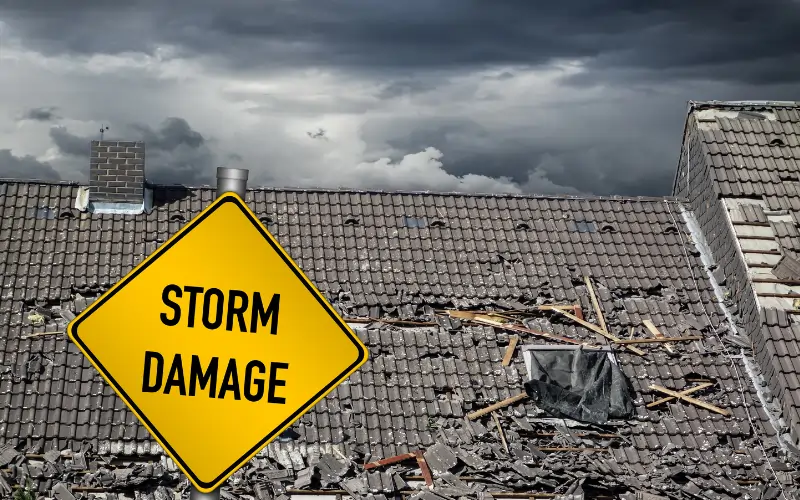
3 Ways to Sell a Damaged House in Texas
Option 1: Listing “As-Is” on the MLS (High Failure Rate)
Yes, you can list with a real estate agent and try selling on the traditional marketplaces, but you’ll have to face some challenges. Most buyers start their home-buying search by looking at online listings. They expect move-in ready properties, so as you could imagine, distressed homes often sit for months without any offers.
If a buyer is interested, they’ll ask for a lengthy inspection period and probably ask for price reductions. Many real estate transactions fall through when buyers can’t line up financing or get overwhelmed by repairs. Also, don’t forget about realtor commissions and buyer’s agent commissions, both of which impact how much you walk away with after your house sells.
Option 2: Hazardous/Hoarder Sales (Privacy Concerns)
If you’re concerned about keeping things private, some property owners resort to auctions or specialized programs for hazardous properties. This might be an option for homes that have hazardous problems like structural issues or if the property is a hoarder home.
To reach interested buyers, though, it will involve public disclosure and may attract bargain hunters looking for a deal.
It’s totally understandable if you’re looking for privacy and want to avoid your property distress being on display. Unfortunately, the sale and closing process may only offer little protection and oftentimes results in low offers from unreliable buyers.
Option 3: Direct Sale to Four 19 Properties (Guaranteed Close)
We actually specialize in buying distressed properties directly from Texas homeowners. We’ve been in the business for years and would be happy to explain how we buy houses. We evaluate the potential in a house rather than only focusing on the current problems. The turnaround time to get a fair cash offer is only within 24-48 hours.
There are so many perks to working with cash home buyers in Houston and throughout Texas. Here are some to name a few: no realtor commissions, no repairs required, and guaranteed closing. We would help with all of the paperwork, and we can close within seven days if you need to sell your house fast in Burleson, Granberry, Benbrook, or anywhere statewide.
Frequently Asked Questions (Distressed Sales)
Do I have to clean out the house before selling?
Yes, you will have to clean, declutter, and probably stage your home if you’re selling to traditional buyers. To improve your chances of getting offers, that is what is usually required. However, if you were to work with cash buyers who specialize in purchasing distressed properties, you won’t need to remove personal belongings or do a deep clean. We buy properties as-is, so whatever condition your house is in, we’ll still make you an offer.
Do I need to disclose defects if I sell for cash?
Doesn’t matter how you sell your house; you’ll still need to fill out a seller’s disclosure form required by the Texas Property Code. It’s meant to protect both parties by documenting known issues. However, if you sell to cash buyers who specialize in distressed homes, they expect problems, unlike a traditional buyer, who will request repairs.
How does a cash buyer determine the value of a damaged house?
Professional cash buyers usually use their own property valuation methods that account for repair costs, holding expenses, and market conditions. Like for our team, we evaluate the Fair Market Value of your property if it were in good condition, then subtract realistic estimates for necessary repairs, permits, contractor costs, and our business expenses. This creates a win-win for both of us; you get a fair offer, and we’ll get to complete the renovations and resale process with some skin in the game.
Conclusion
Don’t let selling a distressed home in Texas keep you up at night. By understanding your options and working with experienced professionals who specialize in damaged properties, you can turn a challenging situation into a successful transaction.
Whether you’re dealing with foundation problems, storm damage, or financial pressures, remember that solutions exist. Get a no-obligation cash offer from Four 19 Properties to understand your options without any commitment or pressure.
The key is acting quickly and working with buyers who understand the Texas real estate market and have experience with distressed assets. Don’t let property problems overwhelm you – reach out today to learn how we can help you move forward with confidence and financial peace of mind.